Second Chances That Stick: AFRIEDO’s Accelerated Education Program (AEP)
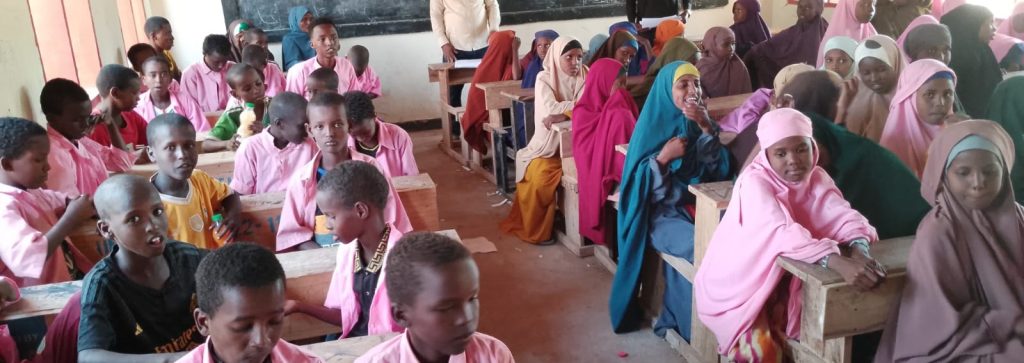
In Kenya, an estimated 1.2 million children are currently out of school — a number drawn from a much larger pool of roughly 3.5 million vulnerable children across the country who face barriers to consistent education. For many of these children, dropping out wasn’t a choice. Poverty, displacement, family instability, and a host of other circumstances pushed them out of the classroom — often for years at a time.
The challenge doesn’t end when an opportunity to return to school appears. A child who left school at age 9 and gets the chance to re-enroll at 14 faces a painful mismatch: too old for the grade their education level matches, and too far behind to simply re-join children years younger. Without a deliberate bridge back into learning, many of these children remain locked out — not by lack of opportunity, but by a system not built to accommodate how far they’ve fallen behind.
This is the gap African Rights for Economic Development’s (AFRIEDO) Accelerated Education Program (AEP) is built to close.
A Fast-Tracked Path Back to Learning
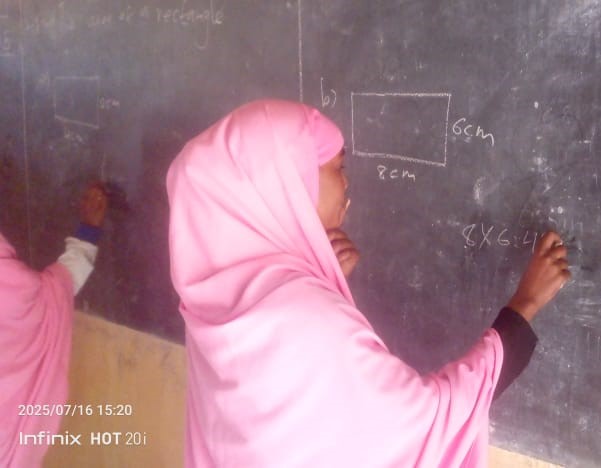
AEP is designed specifically for Over-Age Out-of-School Children (OAOSC) — children whose age no longer matches their grade level due to extended time away from school. Rather than asking these children to start from where they left off, the program uses a condensed syllabus approved by the Ministry of Education, originally developed for Education in Emergencies (EIE), to fast-track their learning and close the age-grade gap in a fraction of the usual time.
This approach means children don’t have to spend years catching up — they can move through foundational learning at an accelerated pace, regaining lost ground while building the confidence and skills they need to move forward.
Two Pathways Forward
Once learners reach an age-appropriate academic level, AEP offers two distinct routes, depending on what fits each child best:
- Transition back to formal learning institutions — for children who are ready to re-join mainstream primary or secondary school and continue pursuing a traditional academic path.
- Transition to technical and vocational education — for children who may not be positioned to thrive within the formal school system, offering a practical, skills-based alternative that still leads toward a stable, dignified future.
This dual-pathway model recognizes that there is no single “right” way back into education — what matters is that every child finds a route that fits their circumstances and sets them up to succeed.
Reaching Children Where They Are
AFRIEDO is currently supporting 638 learners through the AEP program, reaching children in Dol Dol, Laikipia North, and the IFO 2 Refugee Camp — communities where displacement, remoteness, or instability have made consistent access to education especially difficult.
Every learner selected into the program receives full support to remove financial barriers entirely, including:
- Full tuition
- School uniform
- Books and learning materials
- A school bag
Adolescent mothers receive an additional layer of support within the program. Recognizing the unique barriers young mothers face in returning to education — from childcare needs to social stigma — AFRIEDO provides cash for dignity, giving them the means to meet their basic needs while pursuing their studies. This support gives adolescent mothers a genuine opportunity to go back to school and rebuild their lives, without having to choose between caring for their child and continuing their own education.
Why It Matters
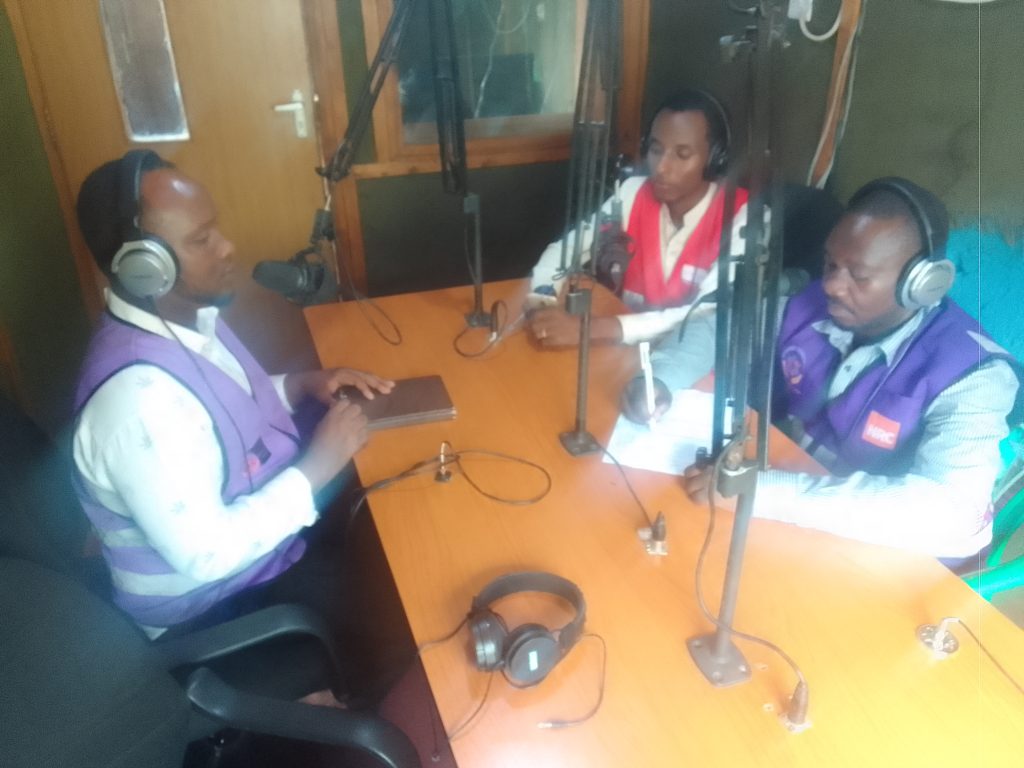
Every child who re-enters learning through AEP represents a second chance that might otherwise never have come. By meeting these children where they are — academically, geographically, and circumstantially — AFRIEDO is not just getting kids back into a classroom. It’s giving them a genuine, realistic path toward finishing their education, building a skill, and shaping a future that once felt out of reach.
For the 638 learners currently enrolled and the many more still waiting for their chance, AEP is proof that being out of school doesn’t have to mean being out of options.